

Innovations
NCC Remits N362.34bn to CRF in 5 Years, Awards N336.4m for R&D













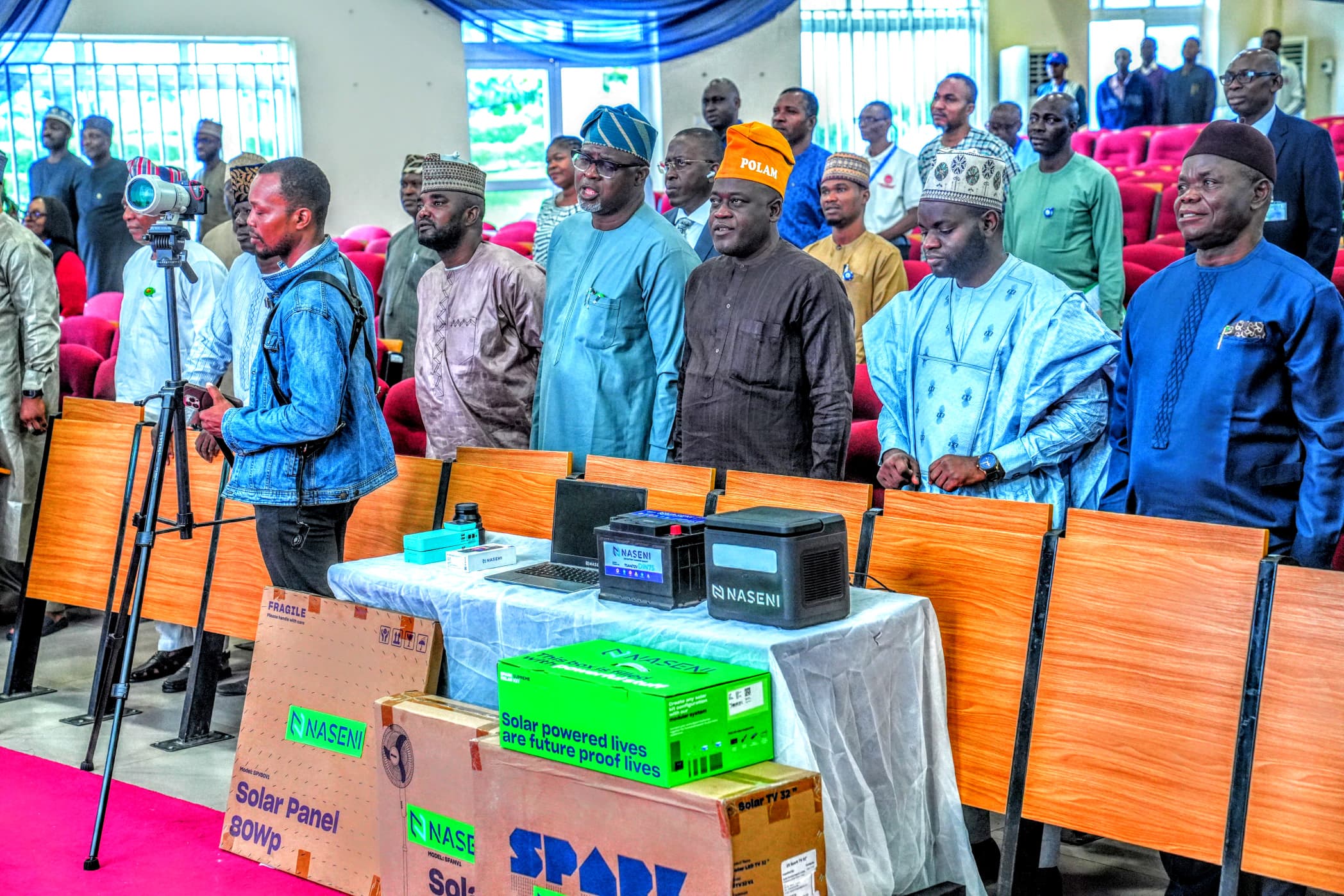
…As House C’tte on NASENI Lends Its Support
The Executive Vice Chairman/Chief Executive Officer, National Agency for Science and Engineering Infrastructure (NASENI), Mr. Khalil Suleiman Halilu, has assured the House of Representatives Committee on NASENI that the Agency’s branded commercial products that have been unveiled are market ready and SON certified.
Mr. Halilu disclosed on Thursday in Abuja when the House Committee on NASENI paid an oversight visit to the Agency’s Headquarters to inspect its products and projects towards robust research in technological advancement in Defense/Security Sector, Agricultural Sector, Infrastructural Sector and other areas of human endeavours.
Among the recently unveiled products include NASENI Laptop, Android Smartphone, Lithium Battery, LED Solar Street Light, Solar Irrigation System, Electric Bicycle, Electric Keke and Keke Cargo. The EVC used the visit to showcase two NASENI electric vehicles (EV) to the lawmakers.
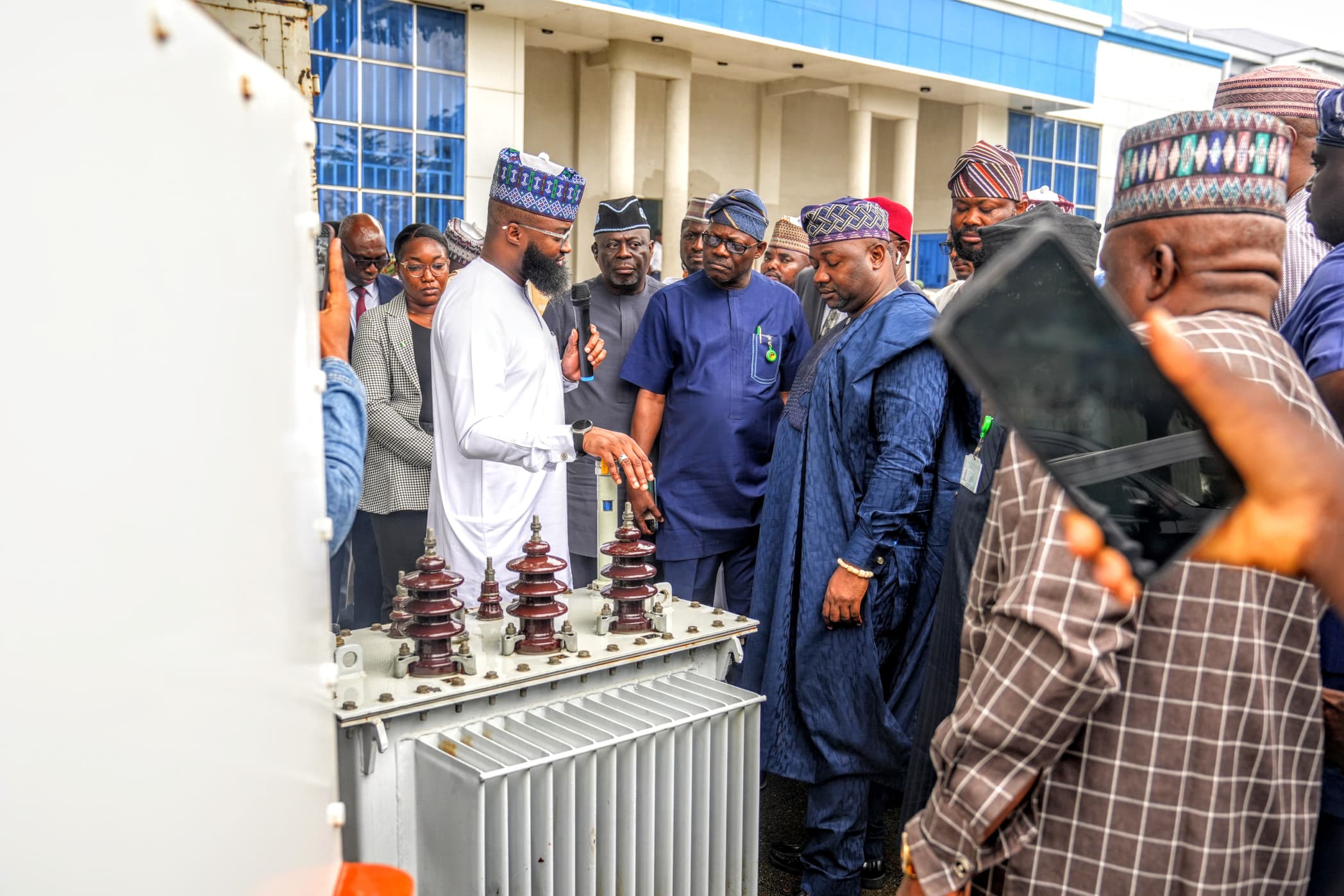
According to Halilu, NASENI has been at the forefront of driving Nigeria’s technological advancement and industrialization. “Over the past few months, we have implemented several key initiatives aimed at transforming our operations from primarily research-based activities to the commercialization of our products and services.
“This transformation is essential for us to contribute more effectively to the national economy and to achieve sustainable development goals,” he said, adding that 85 per cent of NASENI projects are on counterpart funding. “We don’t want to invest alone in what we do and that is why we work with our 3C’s principle of Collaboration, Creation and Commercialization, thereby engaging the services of private sector by partnering with them to ensure that we deliver on our mandate.
He stated that about 35 products of NASENI under his watch are market ready. “We are ready for Nigerian market and we want the honourable members to be our first ambassadors. Also, we are establishing show-rooms in all the 36-states of the federation for marketing of our products. Every activity we do, we have commercial plan. We don’t want our products to end up in shelves, but to get to the end users”, he stated.
Highlighting on achievements NASENI has made so far, the EVC/CEO listed some of them to include: Innovation and Research Development, Product Commercialization, Renewable Energy Projects and Capacity Building. He however, called on the lawmakers to keep supporting NASENI to deliver to the nation, especially in creating jobs for teaming Nigerian youths.
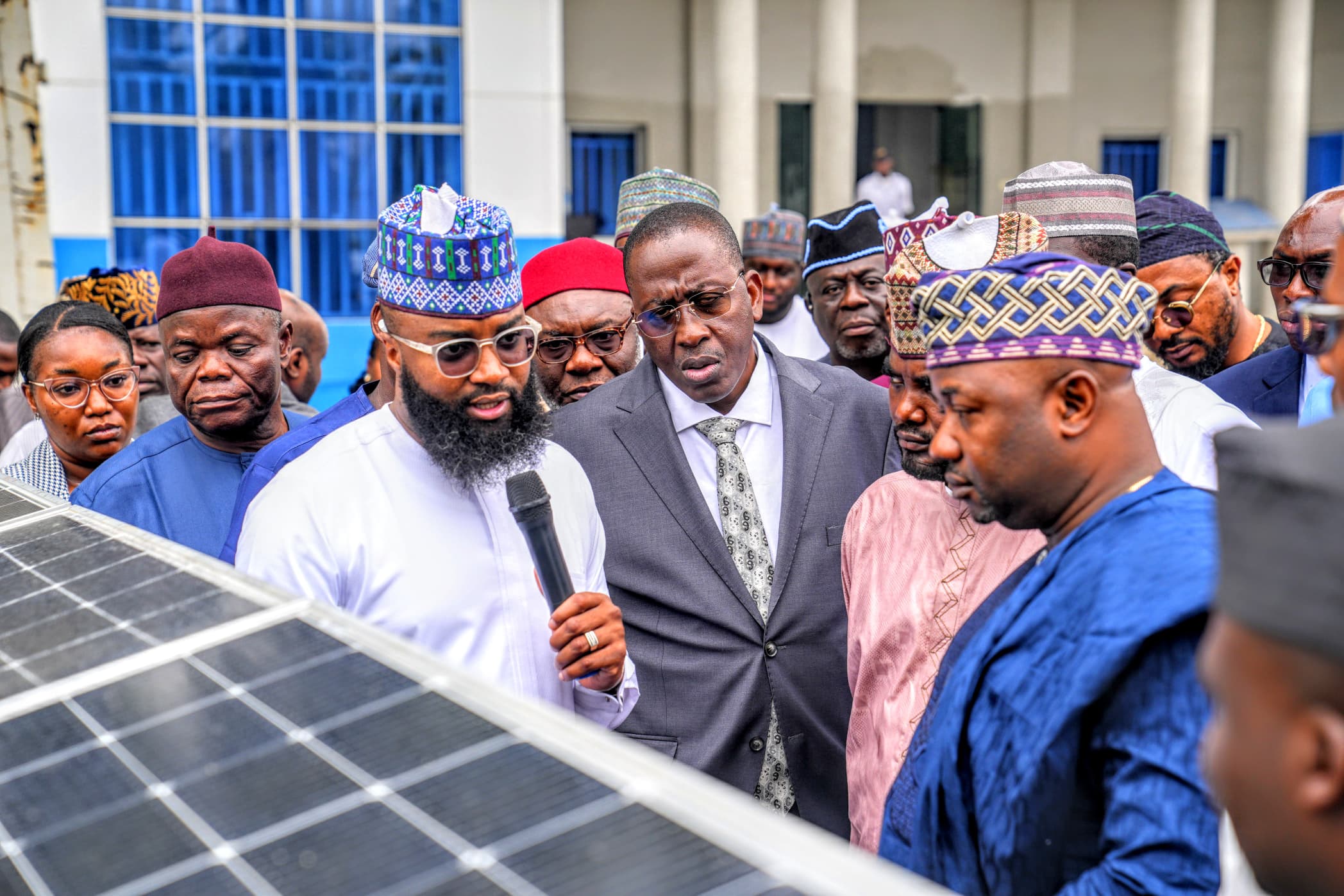
In his speech, the Chairman, House Committee on NASENI, Hon. Otunba Abimbola Ajilesoro, said the essence of the oversight visit is to have an opportunity to interact with the Agency towards robust research in technological advancement in Defense/Security Sector, Agricultural Sector, Infrastructural Sector and other areas of human endeavours, adding that it will in turn save and bring in much needed foreign exchange that will impact positively on the economy.
He pointed out that the committee has been following the activities of the Agency. “We have been hearing NASENI branded products, NASENI Laptops, NASENI Android Smartphone, NASENI Lithium Battery, NASENI LED Solar Street Light, etc. The Committee deems it necessary to see for ourselves, these products and other technologies that will enhance Nigeria’s economy.”
Speaking on the mandates of the NASENI Development institutes, he assured NASENI of the Committee’s readiness to support it in the areas of Appropriation and Legislative framework that will strengthen the Establishment Act to enable the Agency deliver effectively.
“However, while the committee will continually give all necessary support periodically, it will demand for accountability and value for money in the implementation of the lofty programmes embedded in the mission and vision of the Agency. This would enable us expand, deepen and create an enduring part for a sustainable technological advanced Industrial hub within the country of Nations”, he affirmed.

Innovations
Mastercard, Wowzi, and MDP to Transform Financial Management for Content Creators with $2.04 Million Investment