Connect with us

Innovations

What Can the Rest of the World Learn from Africa’s Approach to Tech and Innovation?

Published

on

, SiliconNigeria

By Ndagi Job Goshi, GM of Liferay Africa 

When it comes to listing the regions that have embraced and taken the biggest advantage of digital transformation, most commentators wouldn’t put Africa anywhere near the top. And purely based on metrics, they would be right. According to BCG, Africa trails other regions of the world in digital penetration, usage, and capabilities, and its companies are generally less mature than those in more developed markets.  

That said, digital maturity levels across the continent are rising rapidly. And, outside of the broad picture, there are examples of African companies using digital transformation in exciting and innovative ways. Within these examples are lessons that can be applied to the rest of the world, not least because they show that digital transformation is an ongoing process and not a “once-and-done” exercise.

You can compete with big multinationals 

During the 2010s, the “Africa Rising” narrative — brought about by unprecedented economic growth during a period of relative political stability — saw many multinational companies either enter the continent or expand their existing operations. Despite their considerable heft, however, many have struggled to compete with local companies. 

That’s because these companies have been able to combine technology with on-the-ground knowledge to build a real competitive advantage. 

Whatever troubles it’s faced in recent years, mobile operator MTN (itself an enabler of digital transformation) was able to enter Nigeria at a time when other international carriers were too afraid to. The other companies that had a chance to bid on spectrum in Nigeria were more focused on the country’s risks than on its opportunities, and as a result they held back. MTN was able to use its experience and data gathering capabilities to establish and grow a massive footprint. Today, MTN is the largest mobile operator in Nigeria and has 64-million internet subscribers

Globally, smaller companies can similarly use local knowledge, coupled with a focus on digital transformation, to remain competitive amongst much bigger players. 

Utilise the technology at hand 

For years, many column inches were devoted to how Africa’s high mobile penetration rates (as high as 149% in parts of Sub-Saharan Africa) would allow it to leapfrog more developed markets. More recently, there was a sense that this promise was unfulfilled and that Africa had missed out on its first-mover advantage. 

There is evidence, however, that this disparaging view may have been misplaced. More and more African tech startups are being acquired by international companies. Their technologies are then baked into their acquirer’s offerings. Many of these technologies are mobile-based and are built off the back of Africans being willing to experiment and adopt new technologies that people in more developed markets might be willing to try. 

Startups aren’t the only ones innovating either. Financial services giant Discovery perfected its Vitality rewards programme in South Africa, progressively integrating it with new technologies (including smartphone apps and wearables), sometimes years before its competitors. This success then allowed it to expand the programme internationally to more than 20-million users in countries like the UK, Canada, and China.    

Customer experience is always crucial 

When it comes to the areas in which African companies lead their international competitors on BCG’s digital maturity index, one observation stands out: 

In businesses where customer-centricity is key (such as banking and telecoms), African players compete more effectively.  

It’s also hardly surprising that these are two sectors where Africa has led the world when it comes to technology-led innovation. 

Their success shows how important customer experience is to digital transformation. Some companies might approach digital transformation as a technology project. Implement all the right technologies, the thinking goes, and the organisation will be transformed. When they inevitably don’t get the rewards they were hoping for, they might wonder why they spent all that money and revert back to old ways of doing things. 

In truth, digital transformation is more about a mindset shift within organisations than it is about technology adoption. That is, organisations need to embrace the idea that technology can help them better understand and serve the customer, allowing them to create personalised experiences rather than just lumping new technology onto old ways of doing business.

Embracing innovation

Ultimately, while Africa may be less digitally mature than other markets, there can be no doubt that businesses on the continent are unafraid to embrace technology and innovation. And, in the customer-centric ways in which they’ve done so, despite facing adversity and strong headwinds, there are lessons for the rest of the world to learn from the tenacity and ingenuity birthed and nurtured in the African soil. 

Continue Reading
Advertisement Advertisement
Click to comment

Leave a Reply

Your email address will not be published. Required fields are marked *

Action

MTN Foundation Launches Skills Academy to Train 3 Million Nigerians

Published

on

, SiliconNigeria

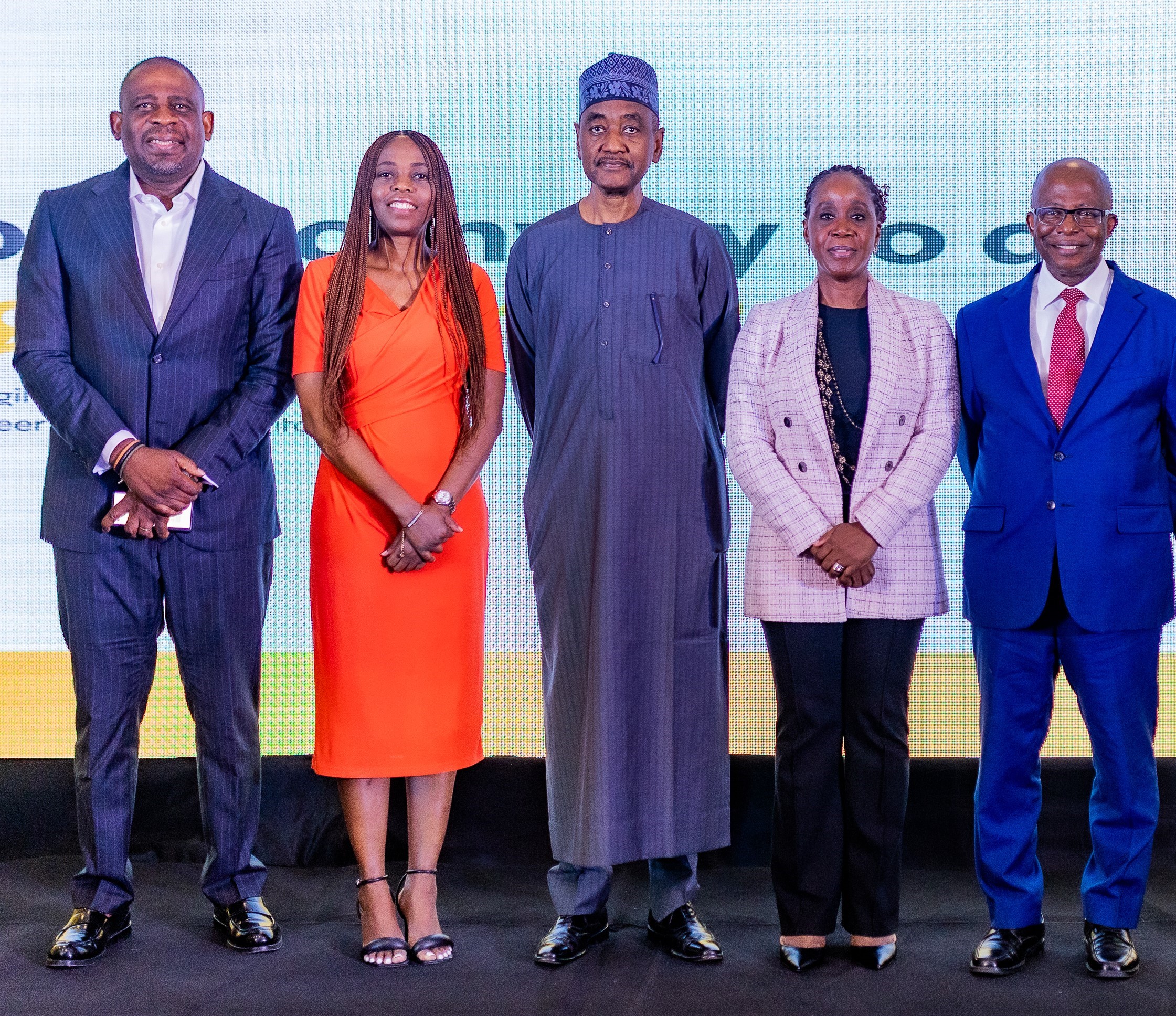
The MTN Foundation has officially launched its Skills Academy, a transformative digital learning platform designed to empower millions of Nigerians with access to digital and financial skills essential for the 21st-century economy. The launch event, held at the Transcorp Hilton in Abuja, brought together top government officials, education stakeholders, and technology experts, reinforcing the importance of public-private collaboration in building a digitally inclusive Nigeria.

The platform, available at skillsacademy.mtn.com, is open to individuals aged 13 and above, whether in school, recently graduated, self-employed, or unemployed. It also features a career guidance tool to help secondary school students and other users explore pathways aligned with their strengths and market demand.

With youth unemployment over 6% and more than 18.3 million children out of school, according to the latest data from the National Bureau of Statistics (NBS) and the United Nations Children’s Fund (UNICEF), Nigeria faces a pressing need to close the digital skills gap. The Skills Academy directly responds to this challenge by offering free, self-paced courses and certifications in high-demand areas such as data analysis, software engineering, digital marketing, and project management.

In her welcome address, Dr. Mosun Belo-Olusoga, Chairman of the MTN Foundation (represented by Simon Aranonu, Director of the MTN Foundation), stated, “We believe digital skills are a truly powerful asset. No Nigerian youth or child should be left behind because of their socioeconomic background. This platform is designed to provide world-class learning experiences, helping Nigerian youth thrive and become future leaders.” To date, the platform has over 7,000 people learning and over 3,000 courses completed, setting a strong foundation for nationwide scalability.

The Honourable Minister of Communications, Innovation and Digital Economy, Dr. Bosun Tijani, in his keynote, described the platform as “unique and critical.” “Nigeria is a country that is extremely blessed. With an average age of just 16.9, we are one of the youngest populations in the world. This program is not just about training; it’s about equipping a generation that will drive innovation, deepen our economy, and position Nigeria as a net exporter of tech talent,” the Minister commented.

Odunayo Sanya, Executive Director of the MTN Foundation, added, “We are focused on building Africa’s largest digital talent pipeline. Through relevant and practical courses across various disciplines, offered in collaboration with the global e-learning platform Coursera, this web-based training system will be instrumental in promoting a digitally skilled workforce.”

This initiative is part of the MTN Foundation’s broader Digital Skills for Digital Jobs programme, which aligns with the Nigerian Government’s National Digital Economy Policy and Strategy (NDEPS) and Sustainable Development Goal 4: Quality Education.

Continue Reading

Cover Story

NASENI’s Commercial Products Are Market-Ready –Halilu

Published

on

, SiliconNigeria

         …As House C’tte on NASENI Lends Its Support

The Executive Vice Chairman/Chief Executive Officer, National Agency for Science and Engineering Infrastructure (NASENI), Mr. Khalil Suleiman Halilu, has assured the House of Representatives Committee on NASENI that the Agency’s branded commercial products that have been unveiled are market ready and SON certified.

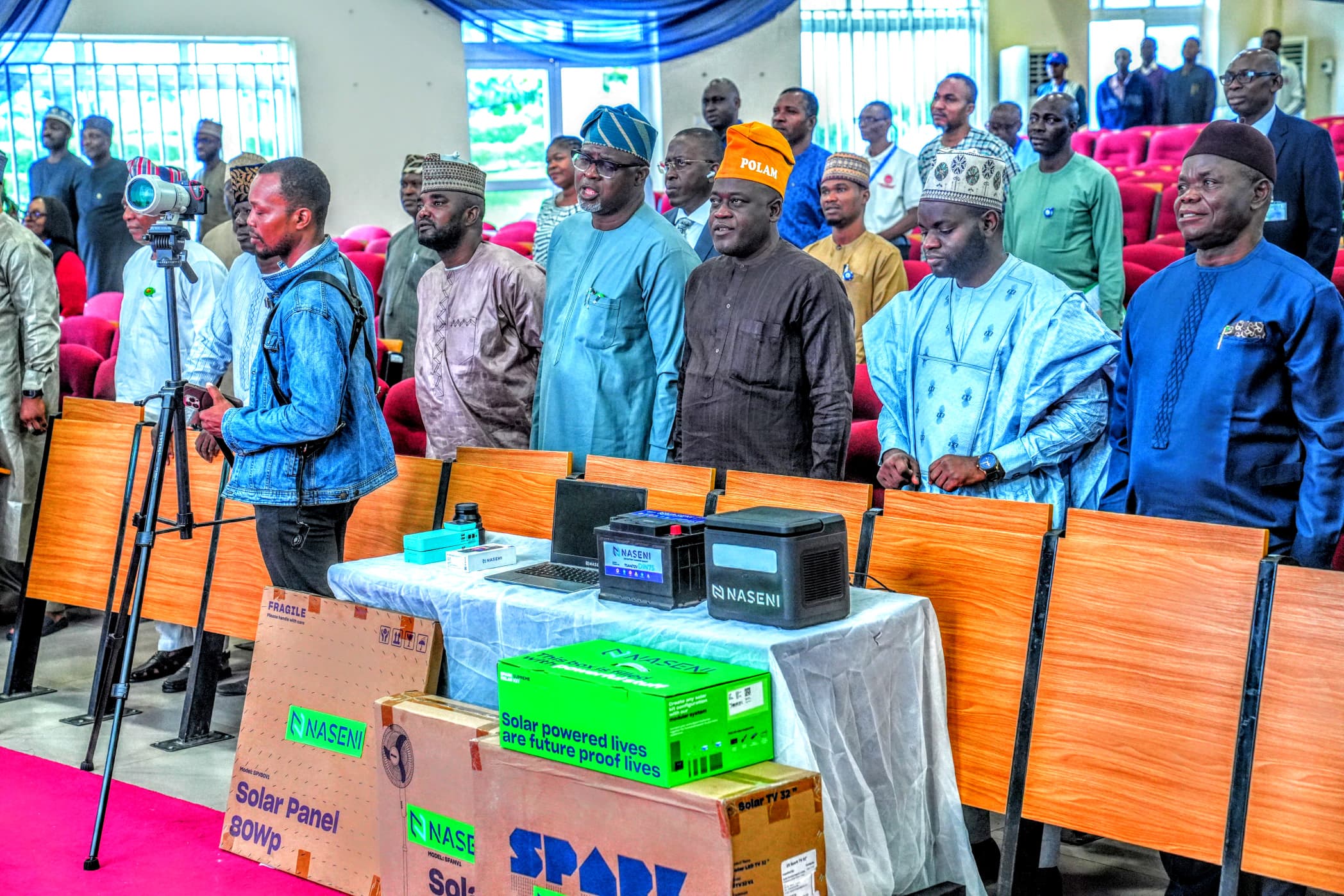
Mr. Halilu disclosed on Thursday in Abuja when the House Committee on NASENI paid an oversight visit to the Agency’s Headquarters to inspect its products and projects towards robust research in technological advancement in Defense/Security Sector, Agricultural Sector, Infrastructural Sector and other areas of human endeavours.

Among the recently unveiled products include NASENI Laptop, Android Smartphone, Lithium Battery, LED Solar Street Light, Solar Irrigation System, Electric Bicycle, Electric Keke and Keke Cargo. The EVC used the visit to showcase two NASENI electric vehicles (EV) to the lawmakers.
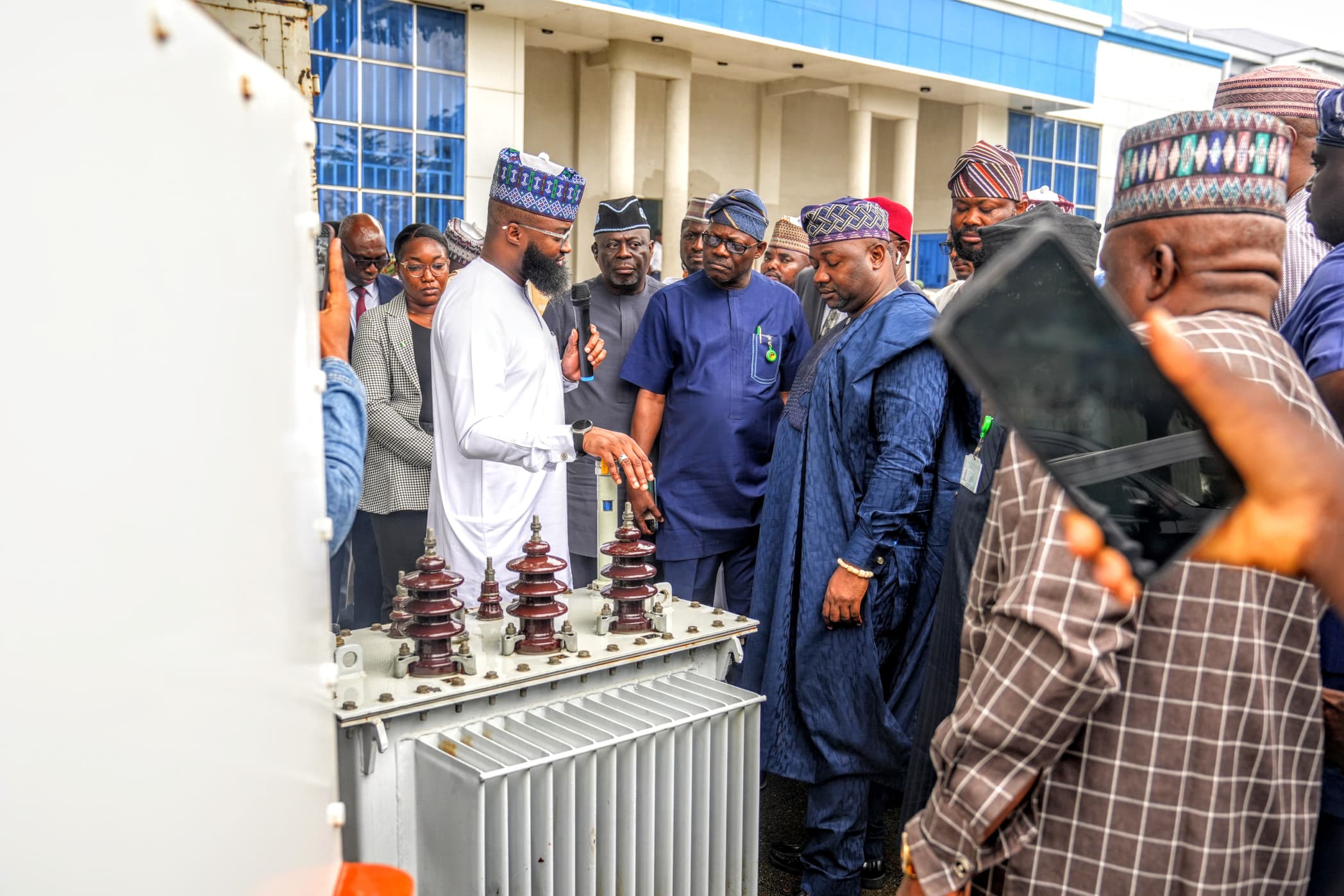
, SiliconNigeria

According to Halilu, NASENI has been at the forefront of driving Nigeria’s technological advancement and industrialization. “Over the past few months, we have implemented several key initiatives aimed at transforming our operations from primarily research-based activities to the commercialization of our products and services.  

“This transformation is essential for us to contribute more effectively to the national economy and to achieve sustainable development goals,” he said, adding that 85 per cent of NASENI projects are on counterpart funding. “We don’t want to invest alone in what we do and that is why we work with our 3C’s principle of Collaboration, Creation and Commercialization, thereby engaging the services of private sector by partnering with them to ensure that we deliver on our mandate.

He stated that about 35 products of NASENI under his watch are market ready. “We are ready for Nigerian market and we want the honourable members to be our first ambassadors. Also, we are establishing show-rooms in all the 36-states of the federation for marketing of our products. Every activity we do, we have commercial plan. We don’t want our products to end up in shelves, but to get to the end users”, he stated.

Highlighting on achievements NASENI has made so far, the EVC/CEO listed some of them to include: Innovation and Research Development, Product Commercialization, Renewable Energy Projects and Capacity Building. He however, called on the lawmakers to keep supporting NASENI to deliver to the nation, especially in creating jobs for teaming Nigerian youths.

, SiliconNigeria

In his speech, the Chairman, House Committee on NASENI, Hon. Otunba Abimbola Ajilesoro, said the essence of the oversight visit is to have an opportunity to interact with the Agency towards robust research in technological advancement in Defense/Security Sector, Agricultural Sector, Infrastructural Sector and other areas of human endeavours, adding that it will in turn save and bring in much needed foreign exchange that will impact positively on the economy.

He pointed out that the committee has been following the activities of the Agency. “We have been hearing NASENI branded products, NASENI Laptops, NASENI Android Smartphone, NASENI Lithium Battery, NASENI LED Solar Street Light, etc. The Committee deems it necessary to see for ourselves, these products and other technologies that will enhance Nigeria’s economy.”

Speaking on the mandates of the NASENI Development institutes, he assured NASENI of the Committee’s readiness to support it in the areas of Appropriation and Legislative framework that will strengthen the Establishment Act to enable the Agency deliver effectively.

“However, while the committee will continually give all necessary support periodically, it will demand for accountability and value for money in the implementation of the lofty programmes embedded in the mission and vision of the Agency. This would enable us expand, deepen and create an enduring part for a sustainable technological advanced Industrial hub within the country of Nations”, he affirmed.

Continue Reading

Innovations

Mastercard, Wowzi, and MDP to Transform Financial Management for Content Creators with $2.04 Million Investment

Published

on

, SiliconNigeria

Mastercard has announced a groundbreaking $2.04 million investment in partnership with Wowzi, Africa’s premier influencer marketing platform, and Masria Digital Payments (MDP). This collaboration aims to transform the financial management landscape for content creators through innovative digital card solutions.

The five-year initiative will provide Wowzi’s content creators access to a range of digital card benefits. Leveraging MDP’s expertise in digital payments, these cards are designed to offer content creators a seamless and secure user experience, simplifying both online and offline transactions.

“Our journey has always been driven by the belief that content creators are the heartbeat of the digital age. This strategic partnership with Mastercard and MDP represents a pivotal moment in our mission to empower these creators. Innovation is at the core of our values, and we recognize that the influencer and creator market is underserved when it comes to payment solutions. We are dedicated to being at the forefront of technology solutions that cater to the unique needs of content creators. This collaboration allows us to not only address those needs but to set new standards in financial empowerment, security, and convenience for our valued community,” said Mike Otieno, Co-Founder and President of Wowzi.

These innovative digital cards will revolutionize the way content creators manage their finances. Content creators will now receive payments from brands, fans, or sponsors, directly onto their digital cards. This will facilitate a secure and convenient financial management process, streamlining both online and in-store transactions while granting content creators’ access to exclusive Mastercard rewards and benefits.

“Our decision to invest in the influencer and content creation space is a testament to our belief in the transformative power of the gig economy. As the world of work continues to evolve, we are inspired by the incredible impact content creators have on global culture and the economy. Our objective is to empower these digital trailblazers with the financial tools and security they need to thrive in the dynamic payments landscape. This investment aligns with our vision to promote financial inclusion and drive innovation in an ever-evolving digital economy,” said Shehryar Ali, Senior Vice President and Country Manager for East Africa and Indian Ocean Islands at Mastercard.

This partnership introduces a range of unique digital card features like Watch Cards and Ring Cards. These wearable contactless payment solutions offer content creators a blend of convenience, security, and style.

“In a rapidly evolving digital landscape, it’s clear that the future of finance is intertwined with the

influencer space. As pioneers in the issuing and processing industry, we understand the importance of security and innovation. This collaboration with Wowzi and Mastercard signifies our commitment to shaping the financial future for content creators, empowering them with more than just payments, it will be a secure and seamless experience,” our tagline Hello Africa, speaks to our mantra of listening to Africa and with that we walk with our customers into the future. We look forward to growing with Wowzi to create a sticky ecosystem for their end users beyond just cards (Physical and Virtual),” said Frank Molla, Managing Director at MDP Africa.

As the content creation industry grows, so does the need for efficient, secure, and flexible payment solutions that keep pace with the dynamic nature of digital content creation. This partnership represents a significant leap forward in meeting these needs, fostering a more vibrant and sustainable ecosystem for content creators worldwide.

Continue Reading

Popular News